
29 October
White House pilots new food intervention
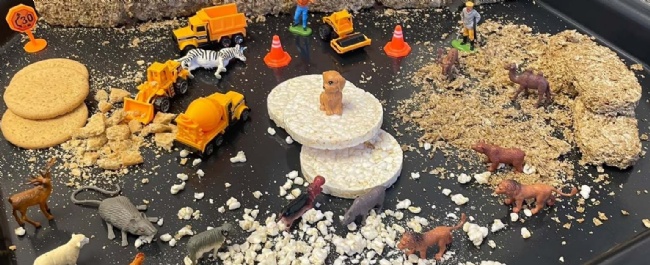
Learnings from a pilot intervention into sensory-related eating difficulties could benefit children and young people from across Aurora’s services, according to therapists at White House School who ran the project.
The pilot, called Food Explorers, was developed and delivered during the summer term by Speech and Language Therapist (SALT) Emily Loveland and Occupational Therapist (OT) Sophie Hall. It was designed for primary-aged pupils who experience significant challenges around food primarily because of sensory differences, including sensitivities to textures, smells and tastes.
Rather than encouraging children to eat new foods, the programme focused on helping them become more comfortable being around food. Through structured, predictable sessions, pupils explored foods using sight, smell, touch and language, with no expectation that they would taste or eat anything.
Sessions included sensory exploration, describing foods using neutral language and creative play activities such as building jelly volcanoes and farm scenes from food ingredients.
Emily, who was inspired to run the pilot after attending a course delivered by the Feeding Trust called ‘Eating as Learning: A complete framework for the assessment and management of pediatric feeding disorders’, said: “Many pupils at White House present with both communication and interaction needs and sensory processing differences.
“Sensory preferences and aversions relating to factors such as texture, taste, smell, temperature and appearance can significantly influence food choices. Where expressive language difficulties are also present, pupils may be less able to communicate their preferences, dislikes and sensory experiences. This can make it more difficult for adults to accurately interpret and respond to a pupil’s needs, potentially increasing frustration and reinforcing food avoidance behaviours. Our pilot was designed to support pupils at this intersection of sensory and communication need.”
Taking the ‘feeding ladder’ approach, Emily and Sophie combined their expertise - SALT supporting communication, vocabulary and understanding and OT bringing specialist knowledge of sensory processing and regulation - to make the four pupils in the pilot more comfortable around food.
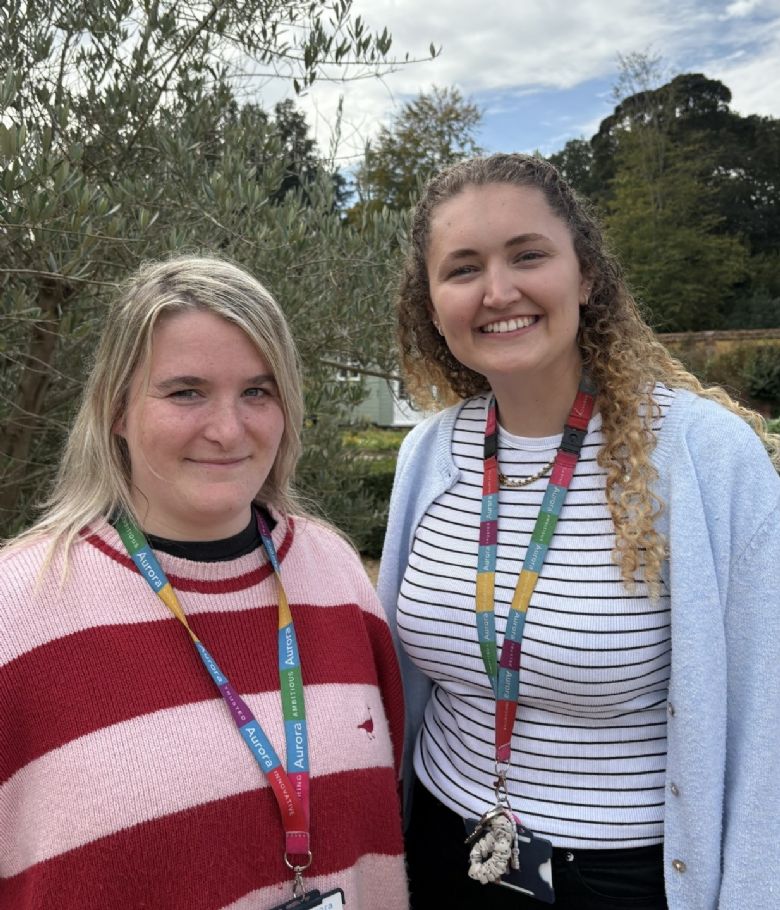
Sophie said: “It was really rewarding to see the pupils’ confidence grow and begin to transfer some skills into the dinner hall through selecting new foods to explore themselves after being in the pilot.”
Although the full findings are still being analysed, early feedback has been encouraging. One parent reported that their child had gained confidence in exploring new foods and had become more willing to touch and investigate foods they would previously have avoided.
Staff also observed significant progress among pupils with highly restricted diets, including children who had previously struggled to tolerate certain foods being present in the same room.
Sophie said: “As well as keeping the group structure and a calmer more predictable environment, having each food present for two weeks was highly beneficial in allowing the students to become more confident - one week choosing to just look and the following week progressing to touching or smelling.”
Emily said schools should consider the environment that pupils are in when they eat.
“A traditional dinner hall can be very noisy and so, for some pupils, their main priority is to overcome the noise, rather than eat,” she said. “In our pilot group, we made sure the environment was calm and quiet and that we were using the right language.”
She added: “The goal of the pilot group wasn’t to get the children to eat new foods. It was to help them feel comfortable around food and reduce some of the anxiety that can come with it. Seeing pupils who previously struggled to even be near certain foods become willing to touch, explore and engage with them has been incredibly rewarding, and we’re excited about the potential to develop the approach further.”
Aurora’s Clinical Lead Marina Kruger welcomed Emily and Sophie’s initiative. She said: “By bringing together speech and language therapy and occupational therapy expertise, they're helping us better understand pupils’ needs and develop approaches that have the potential to benefit children and young people across Aurora.”