
The Aurora Group | Special Needs & Disability (SEND) Schools

Going back to school after a holiday can be hard for many children. For those with Special Educational Needs and Disabilities (SEND), it can feel especially tricky.
Even after a happy or relaxing break, changes in routine, expectations and surroundings can feel unsettling. While there’s no one-size-fits-all approach, a little preparation and understanding can make the return to school feel more manageable. Below are some practical ways parents and carers can help support their child during this transition.
Why going back to school can feel hard
School holidays often offer a break from structure, which many children enjoy. But returning to routines can take time, particularly for children with SEND. You might notice things like:
- Increased anxiety around changes or expectations
- Sensory overload after time spent in calmer or more familiar environments
- Disrupted sleep patterns
- Worries about friendships, learning or social situations
- Finding it hard to switch out of ‘holiday mode’
These reactions are very normal and don’t mean your child isn’t coping, they’re often a sign that change feels big.

Preparing ahead of time
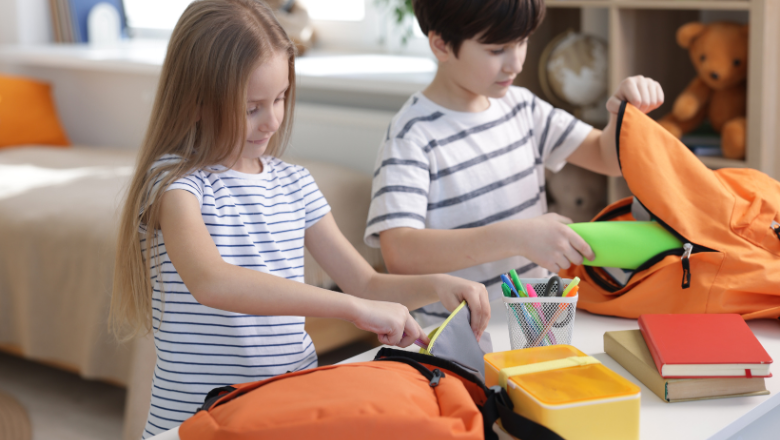
Gently ease back into a routine
In the days leading up to the return to school, it can help to slowly shift sleep times, mealtimes and daily routines closer to term-time patterns. There’s no need to do everything at once, instead work towards small steps.
Talk about school in a calm, low-pressure way:
- What a usual school day looks like
- Who they'll see when they go back
- Parts of the day or activities they enjoy
Use visual supports if they work for your child
Some children find it helpful to see what’s coming next. Visual timetables, calendars or countdowns can make the return to school feel more predictable and less uncertain. Try putting a calendar on the fridge door and encouraging your child to count down the days until school.
Supporting emotional wellbeing

Listen to worries
If your child shares worries or anxieties, letting them know you’ve heard and understood can really help. You don’t always need to solve the problem straight away – feeling listened to often makes a big difference.
Practise calming strategies together
It can be helpful to revisit calming activities before school starts, so they feel familiar and can be drawn upon when needed. Having calming exercises in their personal toolbox can help when you’re not around to reassure them or when emotions feel big.
These might include:
- Simple breathing or grounding exercises
- Quiet sensory activities
- Gentle movement

Notice and name what’s going well
Pointing out and praising small successes, whether that’s getting ready independently or managing part of the school day, can help build confidence and reassurance.
Back to school
The first few days back
The early days of term can be tiring, even if things seem to be going well. Remember that it’s okay if things don’t settle straight away, transitions can often take a while.
You might find it helps to:
- Allow a bit of extra time in the mornings to reduce pressure for the whole family
- Keep expectations realistic - tiredness and emotional ups and downs are common
- Offer a calm space after school to relax or talk
- Stick to familiar routines at home where possible
- Allow your child to bring into school a comfort from home, such as a cuddly toy
Working with your child’s school
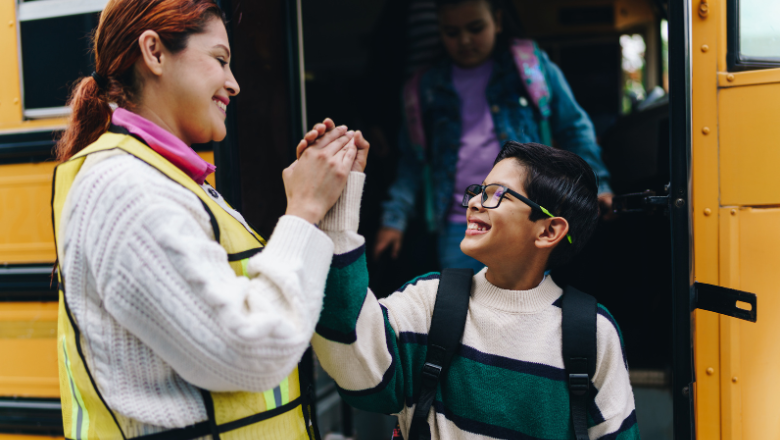
If returning to school is particularly difficult for your child, staying in touch with their school or setting can be really helpful. It helps to share the load and let everyone work together to support your child.
It’s helpful for your school to know:
- What helps your child feel calm and secure
- Early signs your child might be becoming overwhelmed
- Strategies that work well at home
Be kind to yourself too
Supporting a child through change can be exhausting. Some days will go better than others, and that’s okay. Trust your understanding of your child, take things one step at a time, and reach out for support if you need it.
Final thoughts
Every child responds to transitions differently, and what helps one child may not help another. With patience, preparation and compassion, parents and carers can play a vital role in helping children with SEND feel safe, supported and ready to return to school after the holidays.
Helpful resources
If you’d like more advice or community support, you might find these resources useful.