
Growing Together
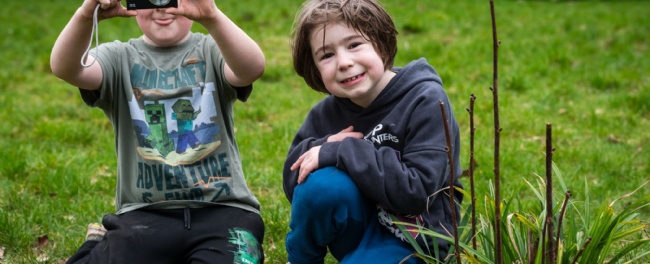
Gardening is a wonderful activity for all children, and is especially celebrated during National Children’s Gardening Week (23 – 31 May 2026)
The benefits of gardening for young people with SEND
It encourages curiosity, creativity, confidence, and connection with the natural world. But for children and young people with Special Educational Needs and Disabilities (SEND), gardening can offer even deeper benefits — supporting emotional wellbeing, sensory development, communication, independence, and learning through hands-on experiences.
Whether it’s planting sunflower seeds in a yoghurt pot, watering herbs on a windowsill, or building a bug hotel in the garden, gardening gives children the opportunity to slow down, explore nature, and learn at their own pace in a calm and engaging environment.
Why gardening benefits children with SEND
A calming sensory experience
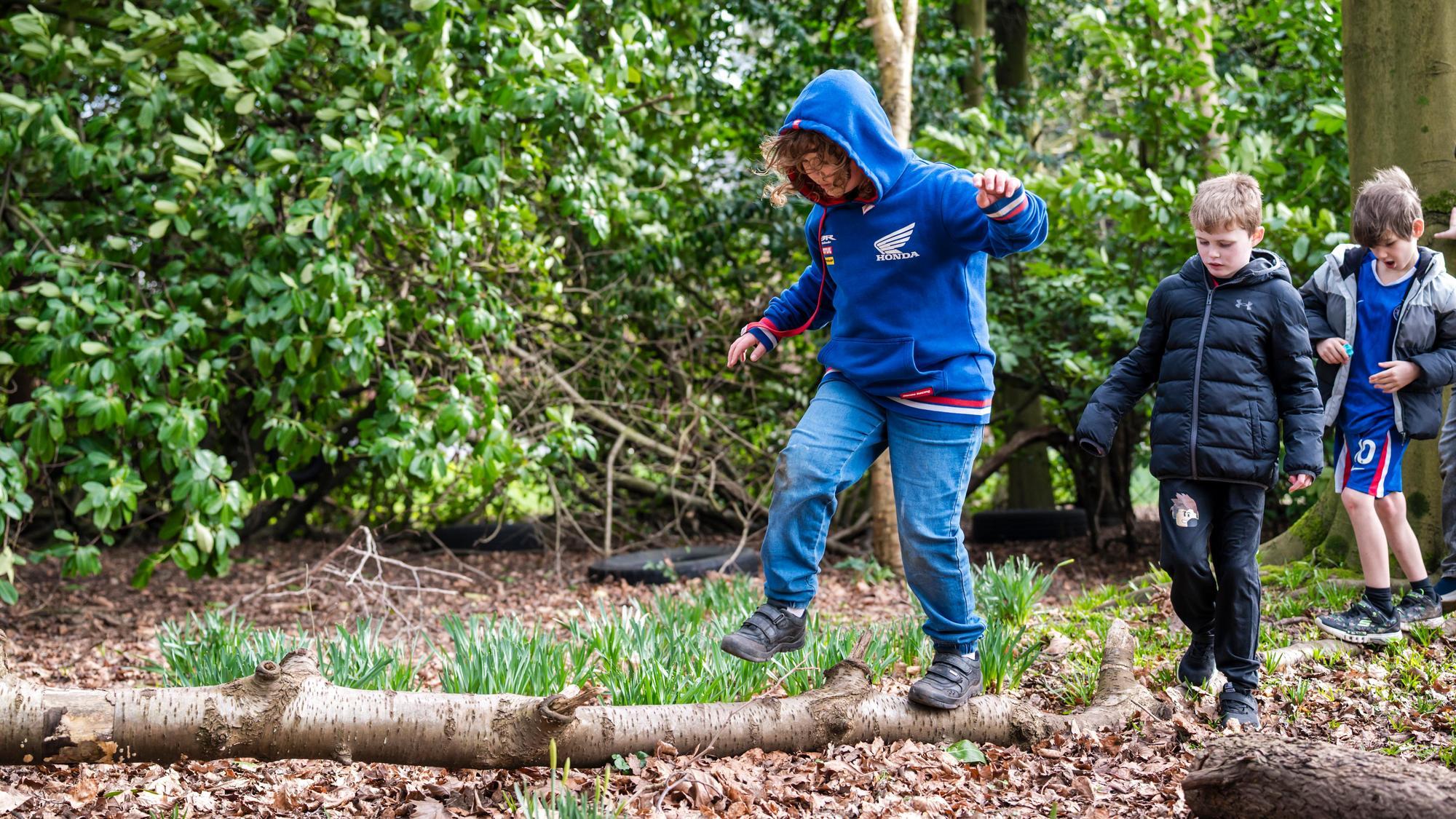
Gardening naturally engages all the senses. Children can feel soil between their fingers, smell herbs and flowers, listen to birds and insects, and watch plants grow over time. For many young people with SEND, these sensory experiences can be calming and regulating.
Outdoor spaces can also provide a break from noisy or overstimulating environments, helping children feel more relaxed and focused.
Building confidence and independence
Growing something from seed to plant gives a real sense of achievement. Even small tasks like watering plants or filling pots with compost can help build confidence, responsibility, and independence.
Gardening also teaches patience and resilience. Seeds don’t grow overnight, and not every plant thrives — but this can become a valuable lesson in trying again and learning through experience.
Supporting communication and connection
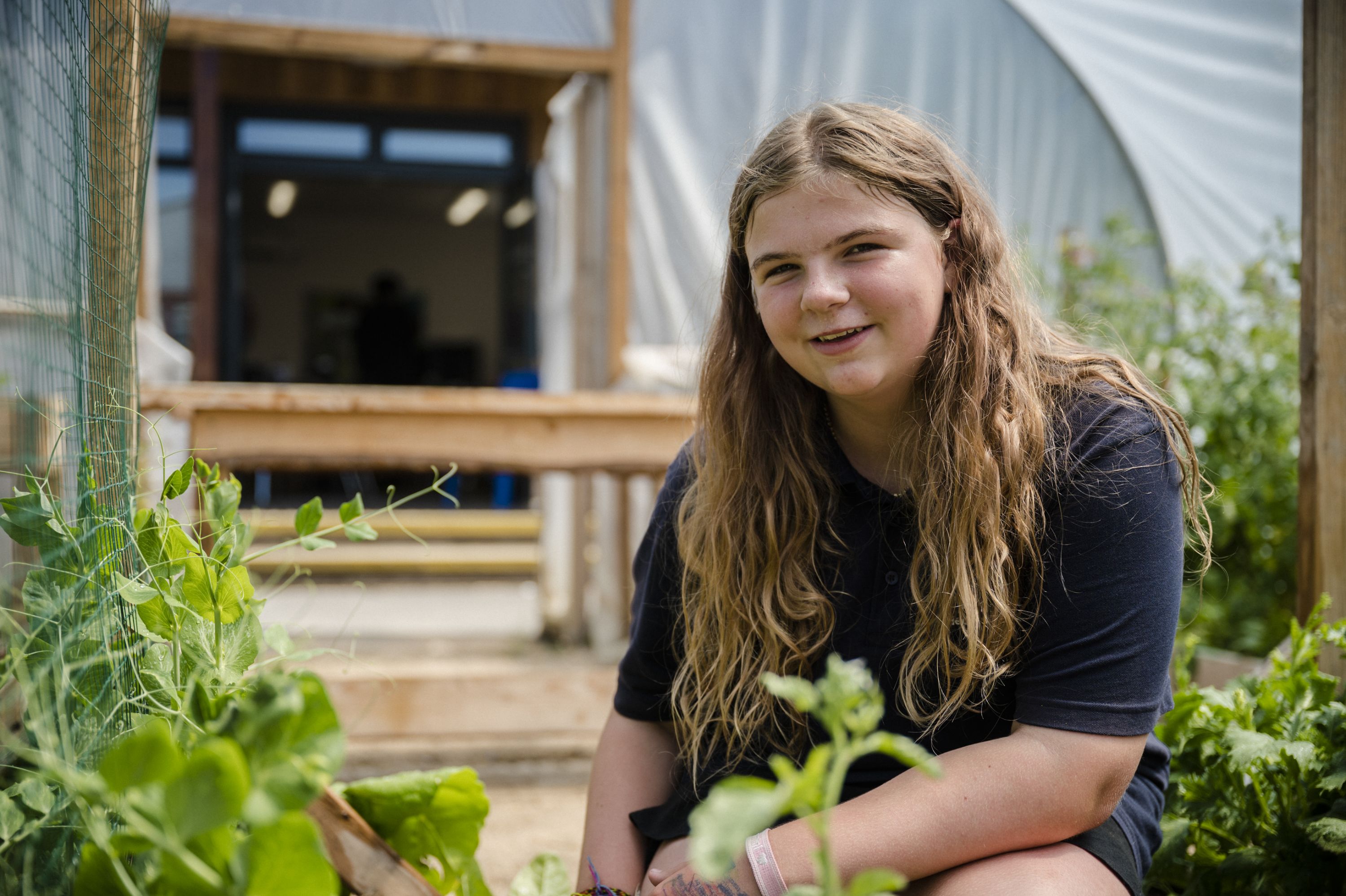
Gardening creates opportunities for shared experiences and conversation without pressure. Young people with SEND may feel more comfortable talking while working side by side outdoors, especially if they find direct communication difficult.
Activities can also support language development by introducing new vocabulary linked to plants, insects, weather, food, and the natural world.
Understanding where food comes from
Growing fruit, vegetables, or herbs can help to develop a stronger connection to food and healthy eating. Children are often much more willing to try foods they have grown themselves — even picky eaters can become excited about tasting their own strawberries or tomatoes.
Across many of our schools, students have the opportunity to see the full journey from seed to plate. Fruit, vegetables, and herbs grown by students are often used in our school kitchens for lunches and meals, helping children build a meaningful connection with food, healthy eating, and the world around them. For many of our young people, there is a huge sense of pride in seeing something they have grown enjoyed by others.
Gardening activities for different needs
One of the wonderful things about gardening is that it can be adapted to suit different ages, abilities, and interests.
Here are some simple ideas:
- Sensory herb pots with mint, rosemary, or lavender
- Sunflower growing competitions
- Painting plant pots or making garden markers
- Watering plants using spray bottles or small watering cans
- Creating fairy gardens or dinosaur gardens
- Growing strawberries or cherry tomatoes in containers
- Nature scavenger hunts
- Watching bees, butterflies, and worms in the garden
Remember: gardening doesn’t require a large outdoor space. Windowsills, balconies, patios, and small containers can all work beautifully.
How to make a simple bug hotel
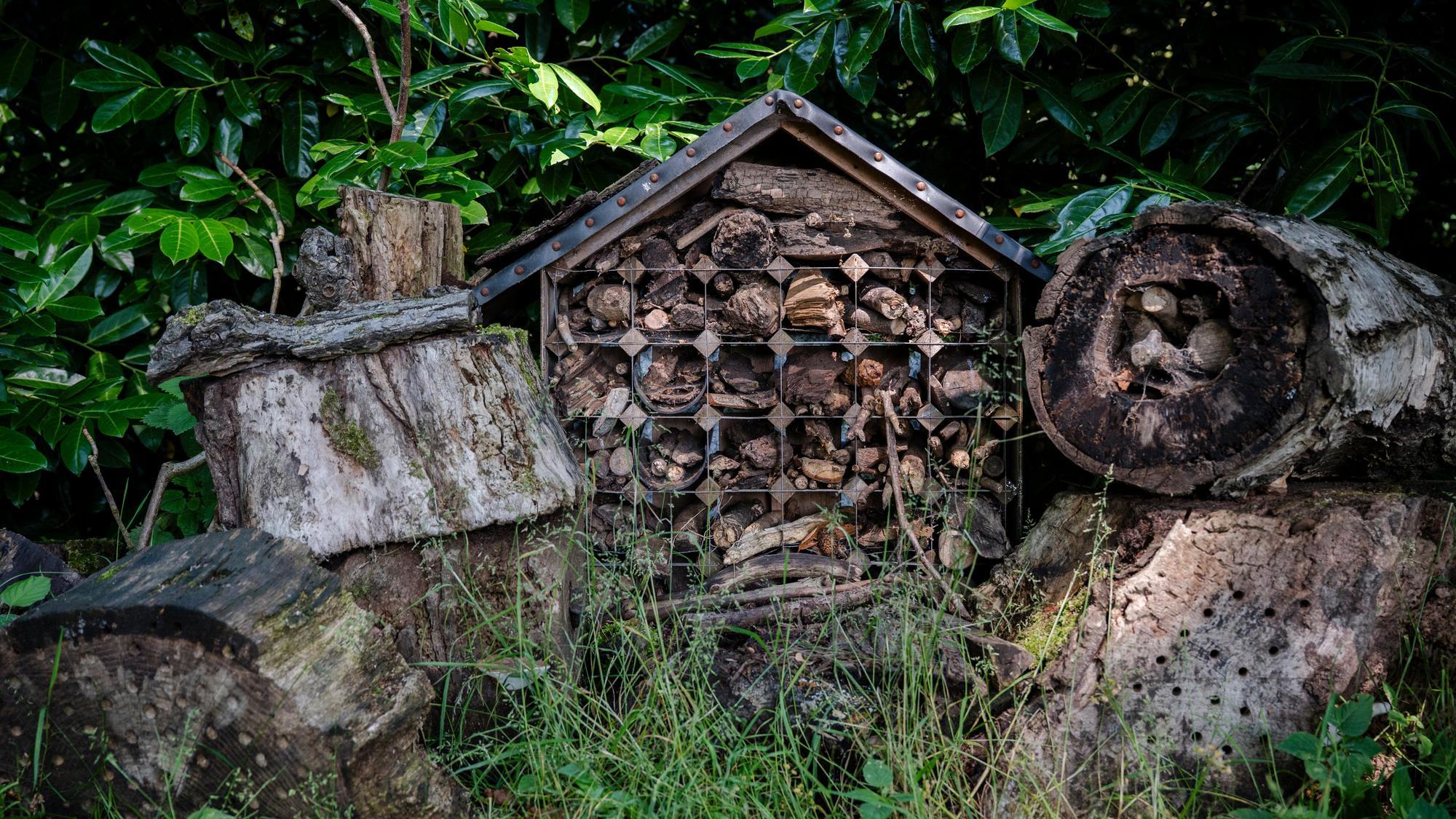
A bug hotel is a brilliant activity because it combines creativity, nature, and wildlife discovery — while helping important insects find shelter.
You will need:
- An empty plant pot, wooden crate, or small box
- Twigs and sticks
- Pinecones
- Dry leaves
- Bamboo canes or hollow stems
- Bark or pieces of wood
- String (optional)
Instructions
- Find a sheltered outdoor spot.
- Fill your container with natural materials, layering different textures and sizes.
- Pack bamboo canes tightly together to create tunnels for insects.
- Add leaves, bark, and twigs to create hiding spaces.
- Leave your bug hotel somewhere quiet and check back regularly to see who moves in!
You may spot ladybirds, woodlice, spiders, solitary bees, beetles, and other mini-beasts.
Top tip: Encourage your child to become a “bug detective” by keeping a simple notebook of insects they spot throughout the week.
The easiest things to grow with young people
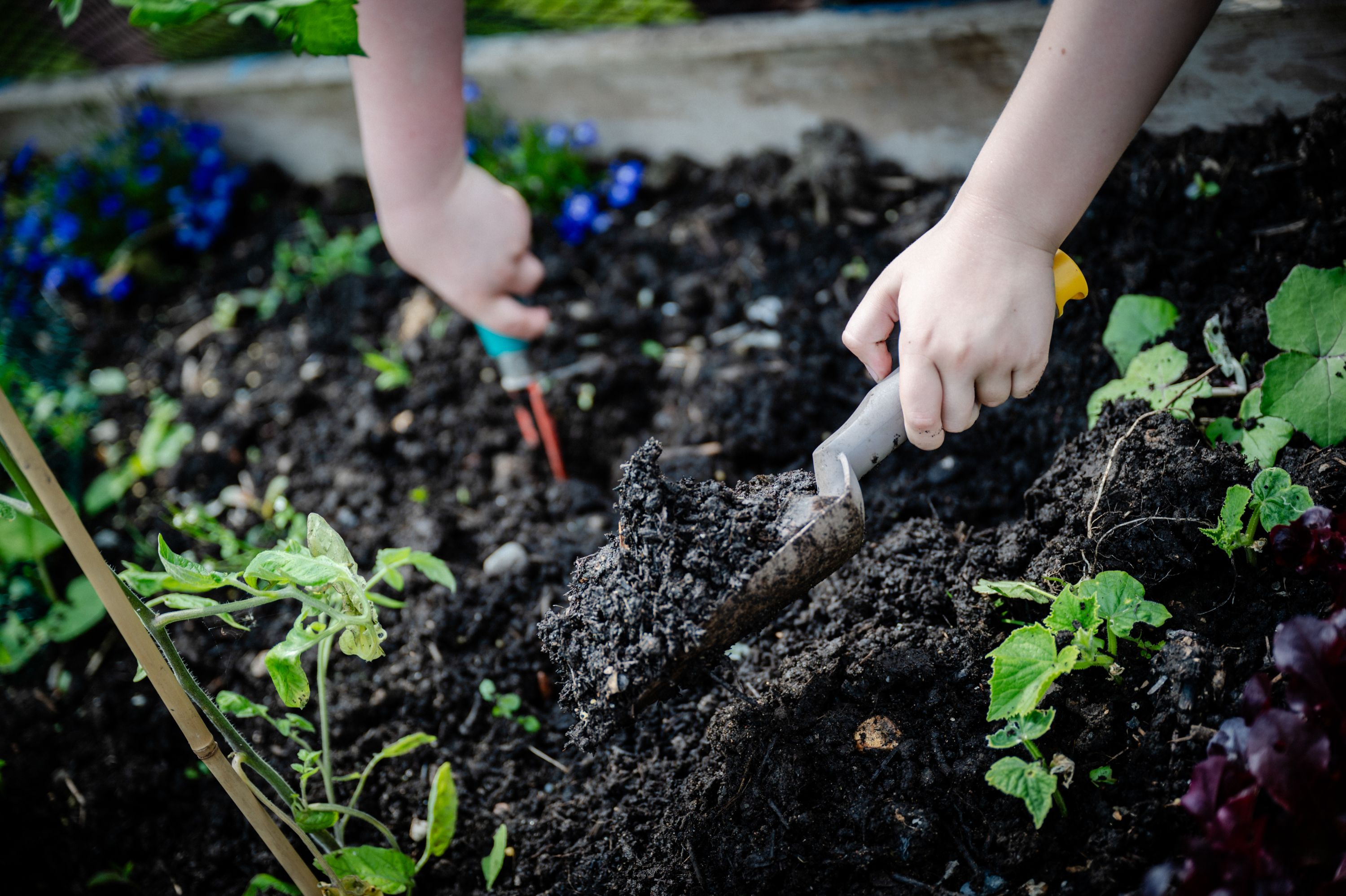
If you’re gardening with your child for the first time, it’s best to choose plants that grow quickly and easily to keep motivation high.
Easy seeds to grow
- Sunflowers: Fast-growing and exciting to measure as they get taller.
- Cress: Perfect for younger children because it grows in just a few days — even on damp kitchen roll.
- Radishes: Quick results and easy to grow in pots or raised beds.
- Lettuce: Simple to grow and ideal for small spaces.
- Peas: Fun to plant and satisfying to harvest straight from the pod.
- Strawberries: Great in containers and often a big hit with children.
- Cherry tomatoes: Easy to grow in pots with plenty of sunshine.
Simple gardening tips for families
- Don’t worry about being perfect — gardening is about having a go and enjoyment.
- Let your child take ownership of one small area or pot.
- Expect mess — it’s all part of the sensory experience!
- Celebrate small successes, even if only one seed grows.
- Keep activities short and enjoyable to avoid overwhelm.
Most importantly, spend time outdoors together. The connection, calm, and confidence young people can gain from gardening often matter far more than the finished result.
At The Aurora Group, we see just how positive it is for children and young people with SEND to spend time outdoors, connect with nature, and learn about the natural world around them. Gardening is one of the many ways we encourage curiosity, wellbeing, and hands-on learning across our schools. National Children’s Gardening Week is a wonderful reminder of the benefits of getting outside, getting our hands in the soil, and watching confidence grow alongside the plants our students nurture.