
Simple sensory tools for busy or overwhelming moments

Busy days, noisy environments and changes in routine can be overwhelming for children with Special Educational Needs and Disabilities (SEND). Situations like family outings, transitions, busy classrooms or even winding down at the end of the day can place extra demands on a child’s sensory system.
Having a small selection of sensory tools available can help children feel calmer, more regulated and better able to cope with these moments. These don’t need to be specialist or expensive – often, simple, familiar items can make a meaningful difference at home and when out and about.
Small sensory tools for on-the-go
Portable sensory items can be particularly helpful during transitions, travel, appointments or busy environments.
- Fidget toys: Pop-its, stress balls, fidget spinners, stretchy noodles or soft putty are great for keeping hands busy.
- Sensory chews: Silicone chew necklaces, bracelets, pencil toppers or wands can help with self-regulation and oral sensory needs.
- Light-up or glow toys: Choose soft, colour-changing lights, or glow-in-the-dark toys for a calming effect.
- Noise-reducing ear defenders: Ear defenders or ear buds are ideal for children who are sensitive to sound, particularly at busy family gatherings.

Creative and hands-on activities for focus and regulation
Some children benefit from repetitive, hands-on play that supports concentration and sensory regulation.
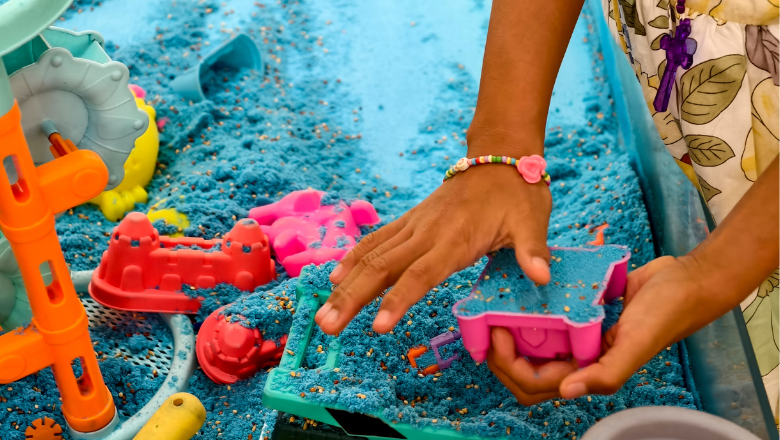
- Kinetic sand or modelling clay: These are satisfying to shape, easy to tidy, and can support fine motor skills.
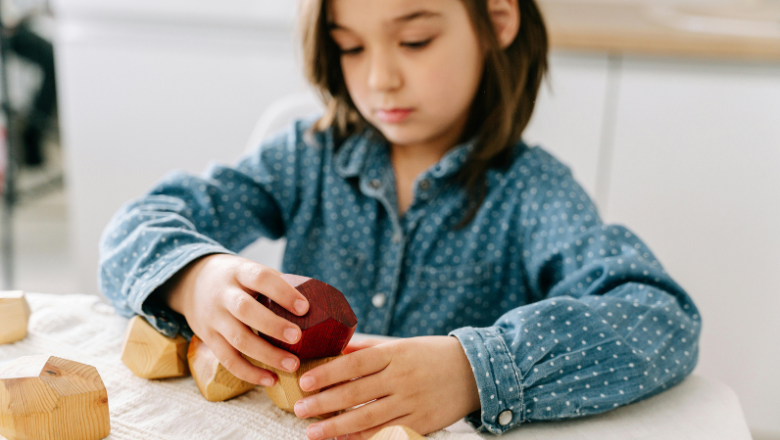
- LEGO or magnetic tiles: Great for creativity and problem-solving, especially if your child enjoys structure or building patterns.
- Mess-free art sets: Paint-with-water books, magic marker pads or felt crafts provide creative fun without the sensory overload of paint and glue.
Creating calm during downtime
After a busy day, children may need support to unwind and reset.
- Weighted wraps and cuddly toys: Give a gentle pressure that can help some children feel more grounded and secure.
- Aromatherapy playdough: Calming scents like lavender or vanilla can help children unwind.
- Soft toys: Cosy textures can provide reassurance.
- Personalised ‘calm kits’: Combine a few of your child’s favourite sensory items in a small box or pouch for easy use during busier days.

Choosing sensory tools that work for your child
Every child’s sensory needs are different, so it's important to choose tools based on what works best for them.
- Choose comfort over novelty – familiar items are often more enjoyable.
- Avoid flashing lights or loud noises unless you know your child enjoys that kind of sensory input.
- Look for durable, simple items that encourage open-ended play.
- Think about your child’s sensory preferences – do they seek movement, touch, sound, or calm?
- Follow your child’s interests – whether it’s trains, planets or animals. Familiarity can bring comfort and joy.
A final thought
The most effective sensory tools are those chosen with your child's individual needs and experiences in mind. Whether it's a small fidget kept in a pocket, a calm kit at home, or ear defenders for busy places, these simple supports can make everyday moments feel more manageable.
At Aurora, we understand that every child experiences the world differently. We hope these ideas help you feel more confident in supporting your child during busy or overwhelming moments.
If you have a sensory tool that works particularly well for your child, we’d love to hear about it – email us at marketing@theauroragroup.co.uk.

Helpful resources
If you’d like more advice or community support, you might find these resources useful.